Mastering React Server Components in Next.js 16: Hydration, Performance & Data Patterns
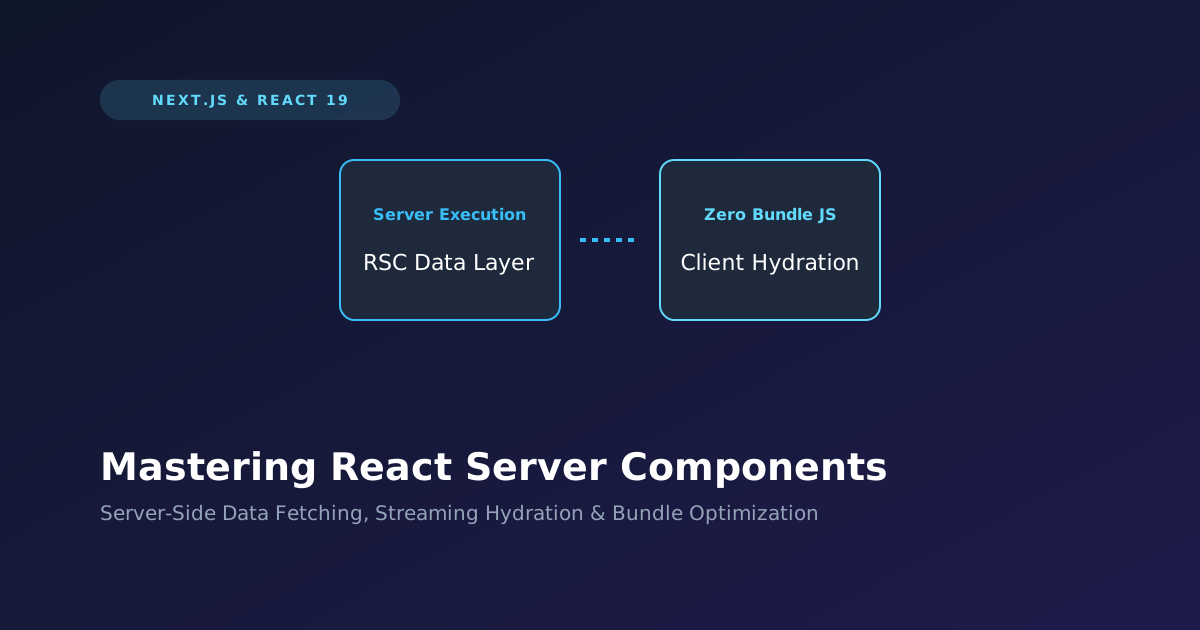
React Server Components (RSC) represent a paradigm shift in how modern web applications are structured. By executing component logic exclusively on the server, RSC dramatically reduces client bundle sizes while optimizing page load metrics.
Why Server Components Rule Modern Web Architecture
In standard client-side React apps, the browser must download, parse, and execute javascript before rendering content. With RSC in Next.js:
Data fetching runs directly on the server next to your database.
Sensitive keys and heavy dependencies never ship to client browsers.
Pages stream HTML chunks progressively using React Suspense boundaries.
Interactivity Boundaries with "use client"
When components require browser state or DOM listeners (useState, useEffect, onClick), place the "use client" directive at the top of the file. Keep client boundaries as small as possible at the leaves of your component tree.
Subscribe to Engineering Insights
Get weekly in-depth technical guides on AI Agents, system architecture, and cloud infrastructure delivered straight to your inbox.